
Start by choosing the right automation partner
Once you’ve decided to automate, the first real decision is who you’re going to do it with. You’re not just buying robots and spray gear; you’re buying experience, process knowledge, and long‑term support.
You want a partner with:
- Deep finishing and paint process expertise, not just generic automation knowledge
- Proven hardware that integrates cleanly with robots, conveyors, and controls
- People who will help you solve specific problems, not just drop off a catalog
A strong finishing partner invests heavily in both product R&D and technical staff so they can bring you proven technologies and real‑world best practices—not experiments on your production line. That’s what ultimately drives better finish quality, higher customer satisfaction, and stronger margins.
Understand the pitfalls: don’t jump straight to “full automation”
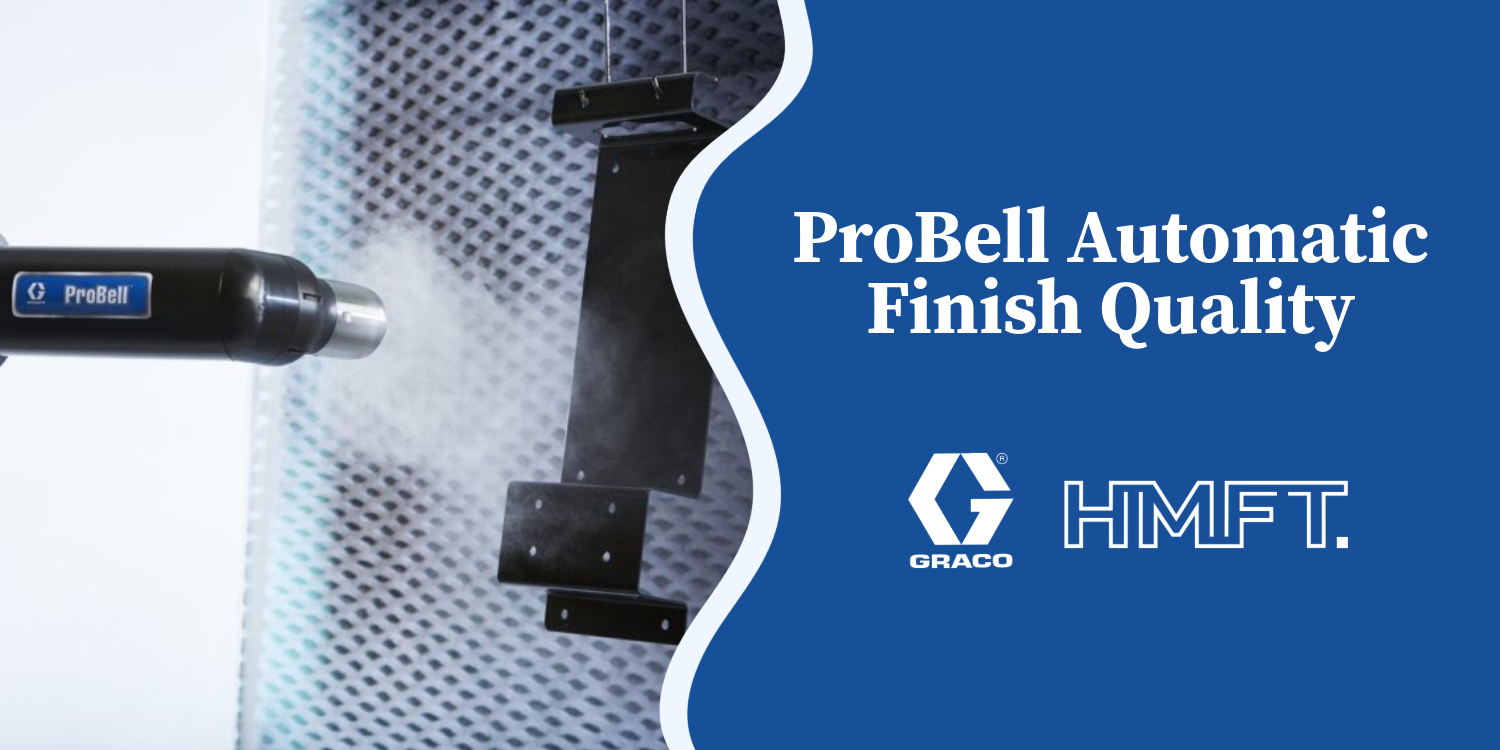
One of the most common mistakes is trying to go from “fully manual” to “fully automated” in a single step. Moving from pressure pots and handheld guns to a high‑speed robot with a rotary bell atomizer is not just an equipment upgrade—it’s a complete change in process, skill sets, and expectations.
A more realistic path is incremental:
- Move from manual mixing and manual guns to automated mix with manual guns
- Then from automated mix with manual guns to automated mix with automatic applicators
- Then from automatic applicators to robot‑mounted automatic applicators
Each step adds capability without overwhelming your team. Trying to skip all the intermediate stages often leads to frustration, unrealistic expectations, and underused equipment.
Equally important: you cannot outsource all the learning. If you tell your automation partners, “Just give me turnkey robots; I don’t want to understand anything,” you set the project up to struggle. Your team needs to invest in understanding how the equipment works, how recipes are set, and how to troubleshoot—otherwise you never get full value from the system.
Design for scalability from day one
Finishing lines rarely stay frozen in time. Part mix changes, new substrates are introduced, colours expand, and customers demand new appearances. Your automation strategy needs to account for that reality.
Ask future‑proofing questions early, such as:
- Will this solution still be usable if our part mix changes in five years?
- What happens if we start coating larger or smaller parts—does the equipment adapt or need replacement?
- How easily can we add more colours or change colour‑change strategies in the future?
The answers should give you confidence that today’s investment won’t box you in tomorrow. Good automation partners will be able to show upgrade paths and modular options, not just “rip and replace” scenarios.
Run the numbers: ROI and total cost of ownership
Every automation vendor can calculate ROI—but you should understand how the calculation works in your context. A robust automation ROI model will look at:
- Labour before and after automation
- Process improvements (cycle time, uptime, changeover times)
- Material savings (less waste, better transfer efficiency)
- Quality improvements (fewer rejects and rework, lower returns)
- Equipment and integration costs
Beyond ROI, total cost of ownership (TCO) matters just as much. When you move to automation, factor in the savings from material efficiency, more consistent finish quality, fewer rejects, and lower return rates. Often, these benefits offset a significant portion of the capital cost over the life of the system.
Use intelligent technologies to control costs
Modern automated paint lines aren’t just robots plus guns—they’re connected systems. Remote monitoring and control should be on your requirements list from the start.
IoT‑style services that link robots and key components to a secure network allow equipment to send regular health reports and performance data. That enables:
- Predictive maintenance instead of reactive fixes
- Early detection of issues before they cause downtime
- Better planning for spares and service windows
While these services may add some upfront cost, they often pay for themselves by preventing unplanned outages and protecting production capacity.
Plan for safety and compliance
Automation adds new safety considerations on top of existing finishing hazards. Before you commit to any system, check:
- Whether your spray booth is classified as a hazardous area by your fire marshal or insurer
- That all proposed automated equipment meets the appropriate ratings for that classification
- What physical safeguards (light curtains, cages, interlocks) will be required around robots and moving equipment
Getting this right early keeps you compliant, protects your team, and avoids expensive redesigns late in the project.
Ready to map out your first automation steps?
If you’re serious about automating your manual finishing line, the best first move is a structured conversation—not a rushed equipment quote. HMFT can help you:
- Evaluate where automation will have the biggest impact on your current line
- Define a realistic, staged roadmap instead of a “zero to 100” leap
- Run ROI and TCO scenarios tailored to your parts, colours, and production goals
- Align equipment choices with your safety, scalability, and quality requirements
If you’d like to talk through your current finishing setup and what an achievable automation path looks like, reach out to HMFT to schedule a line review and planning session.